


Please select a Topic below:

1. Do your own Transmission Diagnosis.
2. Why does it cost so much to have my automatic transmission repaired?
3. Why can't you tell me what it's going to cost to fix my automatic transmission without taking it apart first?
4. How do I know I'm getting a fair deal?
5. Care of your automatic transmission.

1. Do your own transmission diagnosis. Back to Top.
Check your Transmission fluid level: (Many faults are caused by low fluid level) Refer to your car owners manual for specific instructions. Most transmissions are checked with the engine idling in park.
Mitsubishi & Hyundai front wheel drive: Engine idling, in neutral only.
Some Ford Falcon models are checked whilst in park within 10 seconds after the engine is switched off. Chrysler Torqueflite & Ford FMX: Engine idling, in neutral or park.

Important don't forget to apply the handbrake!

Is the fluid level low? If so, then you may have a leak, (Very bad for our environment). Top up with the correct type of fluid, which is generally filled through the dipstick tube. Check your owners manual for the correct type of fluid. Be careful not to overfill.

Can't find a dipstick for your transmission?
You may have a sealed transmission. If so, go to our Contact Us page & we will help you with the information that you need to check the fluid level.

Check your transmission fluid condition: Pull out the transmission dipstick & allow the fluid to drop onto a white rag or white paper. The fluid colour should be bright red, if not, then service is due. Call an ATRA Member to make your appointment.

Does your transmission still have a driving fault? Slipping? Drawn out gear shifts? Delayed gear engagements? Wrong gear starts? Unusual sounds?
If so, go to our Contact Us page, tell us what's wrong & we will contact you, or call an ATRA Member to make your appointment.

Most automatic transmissions built after 1989 have electronic controls, therefore symptoms such as wrong gear starts, no kickdown, bumpy shifts & no overdrive can appear to be major problems, but in fact may well be caused by minor electronic faults. Take notice of any other faults such as no speedometer operation, gear lever position lights not operating, overdrive light not operating & hold/power lights flashing, these all can be signs of electronic faults. If these symptoms are apparent, go to our Contact Us page, tell us what's wrong & we will contact you, or call an ATRA Member to make an appointment.

2. Why does it cost so much to have my automatic transmission repaired? Back to Top.
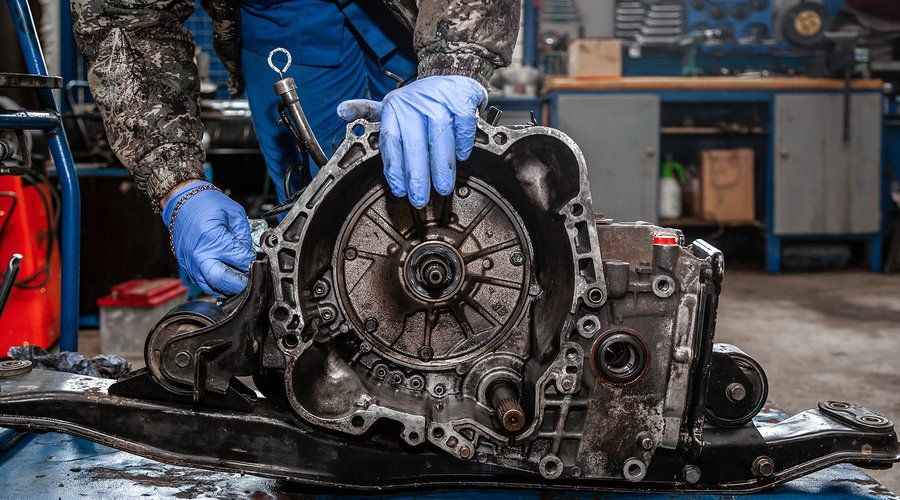
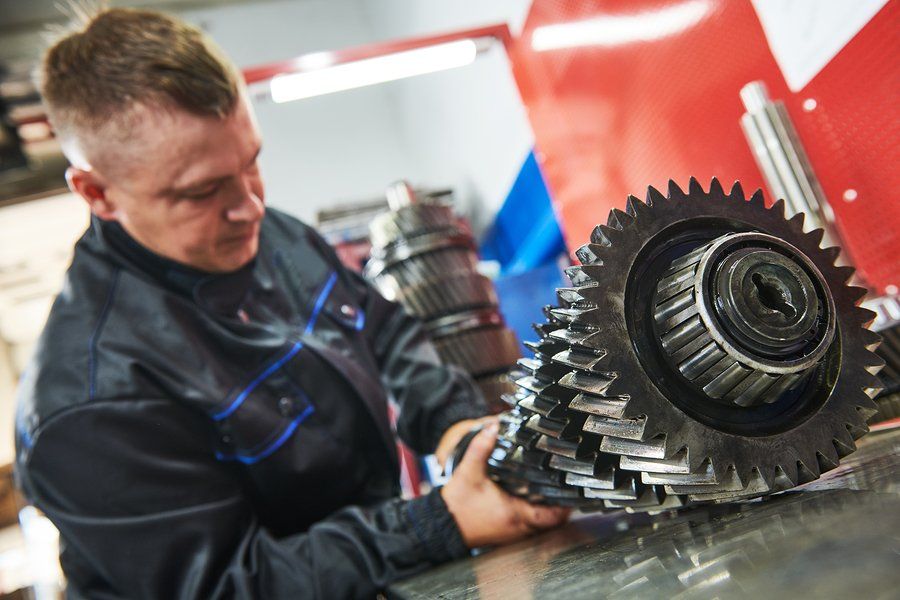
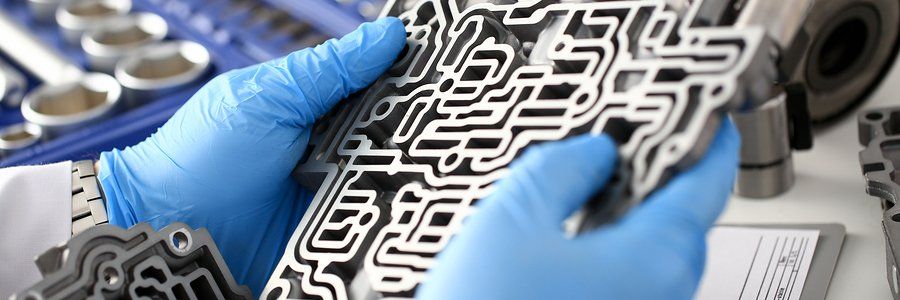
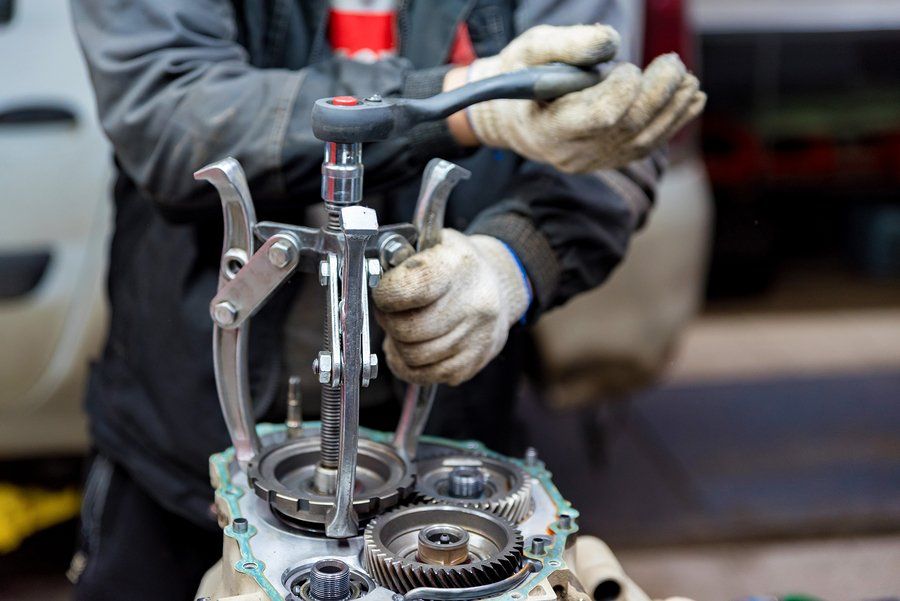
It doesn't, at least it doesn't when you understand what we need to do to repair your automatic transmission. You see, repairing an automatic transmission is not as simple as changing the spark plugs or adjusting the carburettor. Today's automatic transmission - particularly those with front wheel drive technology or computerised overdrive systems are extremely complicated units. There are over one thousand parts in some of todays hi-tech automatic transmissions and the parts for some can cost 10 times as much as automatic transmission parts for older types of automatic transmissions. Just getting to the parts you need to see to find out what's wrong often calls for major surgery - especially in smaller cars where the manufacturer has tightly packed different mechanical systems on top of and around each other. With such complex units, preventative maintenance is the key to keeping repair costs down.

3. Why can't you tell me what it's going to cost to fix my automatic transmission without taking it apart first? Back to Top.
You'd be amazed at how many people expect us to diagnose their automatic transmission problems over the telephone!! Aside from the fact that a Customer might easily miss a symptom a trained transmission specialist would see or hear when the vehicle is brought into the workshop. Can you tell the difference between a rattle - buzz - whine and slip?? And, do you mean the same thing by those words, as we do?? The plain truth is, we simply can't be sure of what's wrong with your automatic transmission until we take a look inside... NOBODY CAN!! Symptoms which can be observed externally, like noises, leaks or vibrations can signal a wide range of possible problems, not necessarily a single malfunction. We have to give your transmission a thorough multi-inspection to really determine what's causing the symptom.

4. How do I know I'm getting a fair deal? Back to Top.
There are several things you can do to protect yourself from dishonest automatic transmission repairers. Ask your regular mechanic to recommend an Automatic Transmission Specialist workshop, or ask your friends or neighbours who may have had the need for automatic transmission repairs in the past. Book your vehicle in for a transmission multi-inspection and ensure the repairs are warranted against faulty workmanship and parts. Ask for an itemized account.

5. Care of your automatic transmission. Back to Top.
The automatic transmission should be serviced at regular intervals if maximum operational economy is to be realised. Every year or 20,000 kms - whichever comes first. Automatic Transmission Fluid should be checked every 1,000 kms and its level, colour and smell noted. Fluid is normally crimson red in colour. Black or dark brown oil usually means a problem exists. Low Fluid will literally always indicate a leak or a malfunction in the automatic transmission or its other related components. Leaking Fluid is often "your automatic transmissions way of 'yelling for help'". If leaks are detected, then your transmission should be diagnosed immediately for economy and safety. If Leaks are detected, then you should consult an ATRA Member. Be aware of Changes in driving characteristics of your car. Late or early shifting, slipping or noises of any kind should be diagnosed immediately for economy and safety. Virtually always, the "quiet vehicle" which "operates properly", is a safe vehicle. Excessive Heat is a major cause of premature automatic transmission failure. The Vehicles Cooling System should be checked regularly and repairs made without delay if necessary. Rocking a Vehicle back and forth when stuck in snow or sand will often have the automatic transmission operating in excess of 400 degrees Fahrenheit or 185 degrees celsius. Should this occur, you are most certainly in for an immediate automatic transmission failure or problem. Heavy Loads will cause overheating and reduce automatic transmission life tremendously. Care should be taken not to exceed the vehicle manufacturers recommendations for weight limits - Loading or towing. Where vehicles are used for towing or carrying heavy loads additional transmission oil cooling is recommended. Proper Engine Tune Up is extremely important to the life of the automatic transmission. Some automatic transmissions use Engine Vacuum to control shift quality and hydraulic pressure, with these, "engine tune-up" becomes even more critical. Early Diagnosis and Repair - are without a doubt your "best bet" when searching for minimised vehicle operating costs. Left unattended, small malfunctions can and usually will lead to serious major repairs. WOULD YOU BELIEVE...??? That automatic transmissions are safer to drive than manual transmissions? (Two feet, three feet pedals have never worked our right). That most car owners ignore their automatic transmissions completely - until a complete overhaul becomes more expedient.


QUESTIONS OR PROBLEMS, regarding this site? Contact E.C.W.D. Created By EAST COAST WEB DESIGN, BRISBANE.
Members Logged In: 0